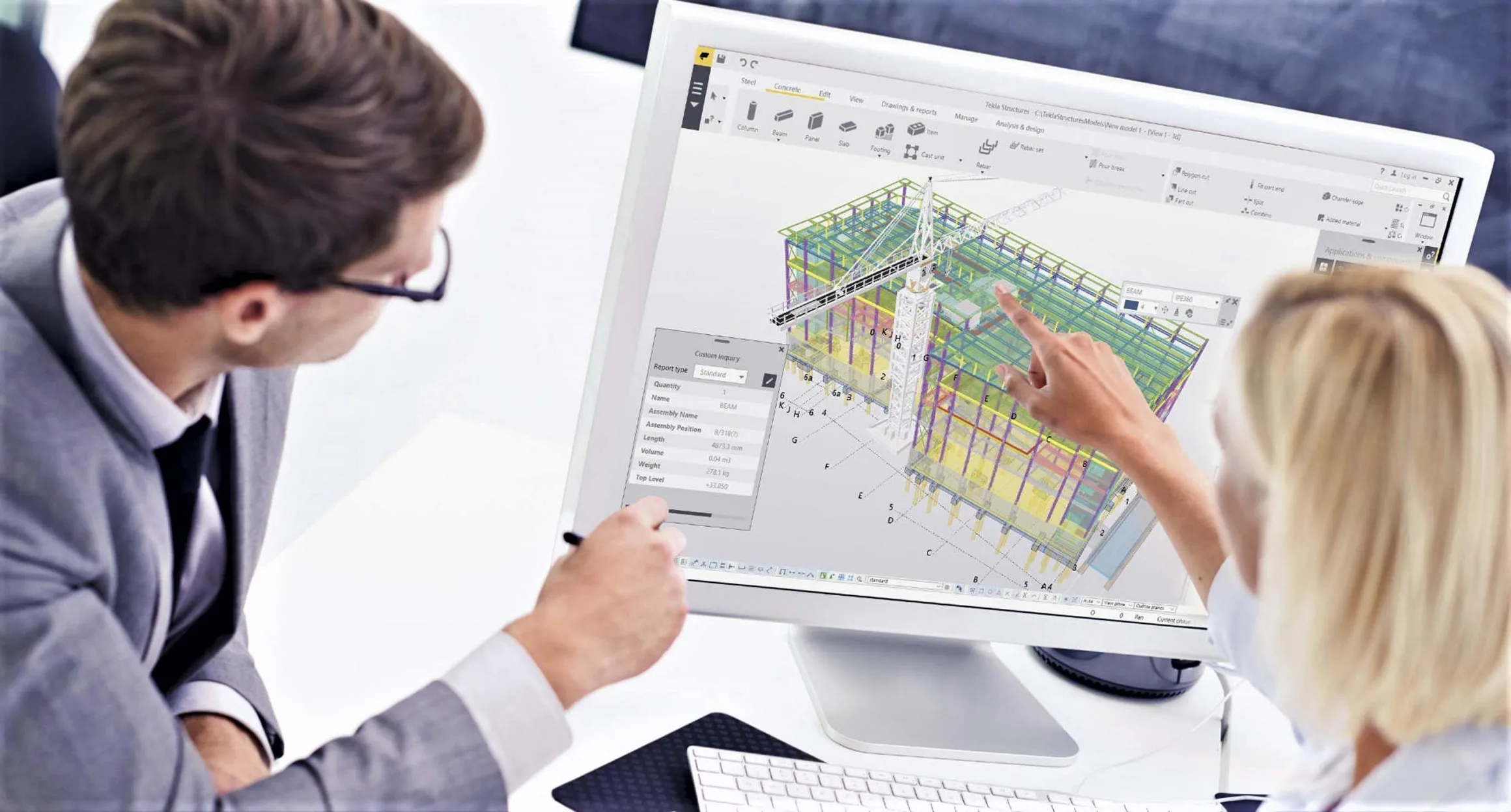


Optimizing Construction Efficiency Through Modular Approaches
-
Off-site Fabrication: Manufacturing components in a controlled factory. Reduces on-site labor, minimizes waste via optimized cutting, and ensures higher precision before assembly.
-
Standardized Modules: Utilizing pre-engineered, repeatable units for various parts. Ensures consistency, accelerates assembly, and simplifies material procurement.
-
Design for Assembly (DfA): Integrating modular principles from early design. Simplifies construction, minimizes unique parts, and reduces extensive on-site modifications, enhancing project flow.
Critical Evaluation Criteria for Modular Strategies
-
Material Utilization: How well does the approach minimize material waste and optimize resource use throughout manufacturing?
-
Project Timeline Impact: To what extent does the method accelerate the construction schedule, from fabrication to on-site assembly?
-
Quality Consistency: What is the method's capability to maintain uniform standards, reduce defects, and ensure high adherence across all components?
-
Logistical Complexity: What are the challenges in transporting, storing, and precisely assembling pre-fabricated units at the construction site?
Comparative Analysis of Modular Methods
Off-site fabrication excels in material utilization. Factories enable precise cutting and recycling, leading to less waste than traditional on-site methods. This controlled environment also reduces project timeline. Concurrent site preparation and component manufacturing means faster completion, mitigating weather delays for ConstructForme.
Regarding quality consistency, off-site fabrication offers unparalleled advantages. Automated processes and strict quality control in factories ensure components meet exact specifications, minimizing errors. However, logistical complexity is a consideration. Transporting large modules requires careful planning, specialized equipment, and site access can be constrained.
Standardized modules contribute positively to material utilization by promoting repetitive manufacturing. This allows for bulk purchasing and optimized cutting, reducing waste. Their impact on project timeline is substantial; pre-engineered, interchangeable units dramatically speed up on-site assembly, as workers become familiar with components.
Quality consistency is high with standardized modules due to repetitive production and rigorous factory testing. Each unit is identical, ensuring predictable performance and fewer on-site adjustments. Logistically, managing a large inventory of standardized parts and sequential delivery still demands robust supply chain management.
Design for Assembly (DfA) primarily influences material utilization by optimizing component design from the outset to minimize cuts and waste. By simplifying joints, DfA reduces custom fabrication. Its impact on project timeline is indirect but significant; a well-designed DfA project naturally accelerates assembly, reducing rework.
DfA enhances quality consistency by creating simpler, more robust designs less prone to assembly errors. Fewer complex connections mean fewer points of failure and easier adherence to specifications. In terms of logistical complexity, DfA aims to simplify the entire supply chain by reducing unique parts and optimizing component sizes for transport for ConstructForme.
Strategic Recommendations for Modular Implementation
For projects demanding rapid execution, high precision, or large-scale repetitive elements, off-site fabrication and standardized modules are optimal. Off-site methods suit urban developments with limited space, minimizing disruption and ensuring consistent quality. Standardized modules excel in multi-unit housing, streamlining procurement and assembly for predictable outcomes and efficient resource allocation.
Projects with intricate designs or those requiring early integration of diverse systems benefit greatly from adopting Design for Assembly (DfA) principles. By focusing on constructability from the initial design phase, DfA minimizes potential on-site challenges, reduces material waste, and ensures a smoother assembly process. It is ideal for bespoke structures where careful upfront planning yields substantial downstream benefits.
Ultimately, the most effective strategy often involves a hybrid approach, combining elements from all three methods. A thorough analysis of project specifics—including scale, complexity, budget, and site constraints—will guide the optimal selection. ConstructForme specialists can assist in tailoring a modular strategy to maximize project efficiency and environmental stewardship, ensuring successful project delivery.




Derek White Reply
This article provides an excellent overview of modular design benefits. I particularly appreciate the detailed comparison of approaches. It really clarifies how ConstructForme can optimize project delivery.